Pain Management &
Orthotics
Everyday activities, renewed independence.
Pain Management &
Orthotics
Everyday activities,
renewed independence.
Home / Treatments / Physiotherapy & Pain Management / Pain Management & Orthotics
Pain Management & Orthotics
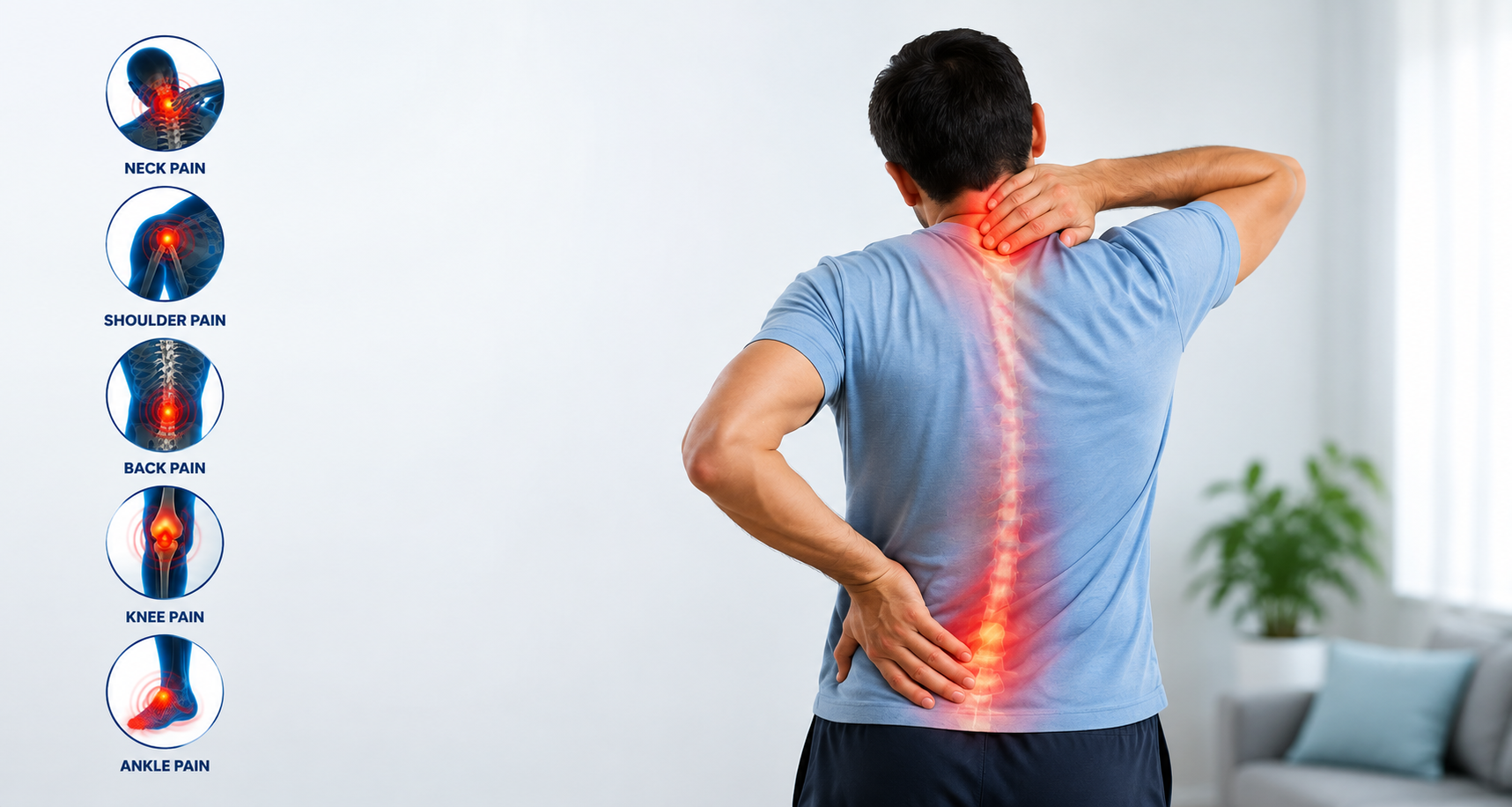
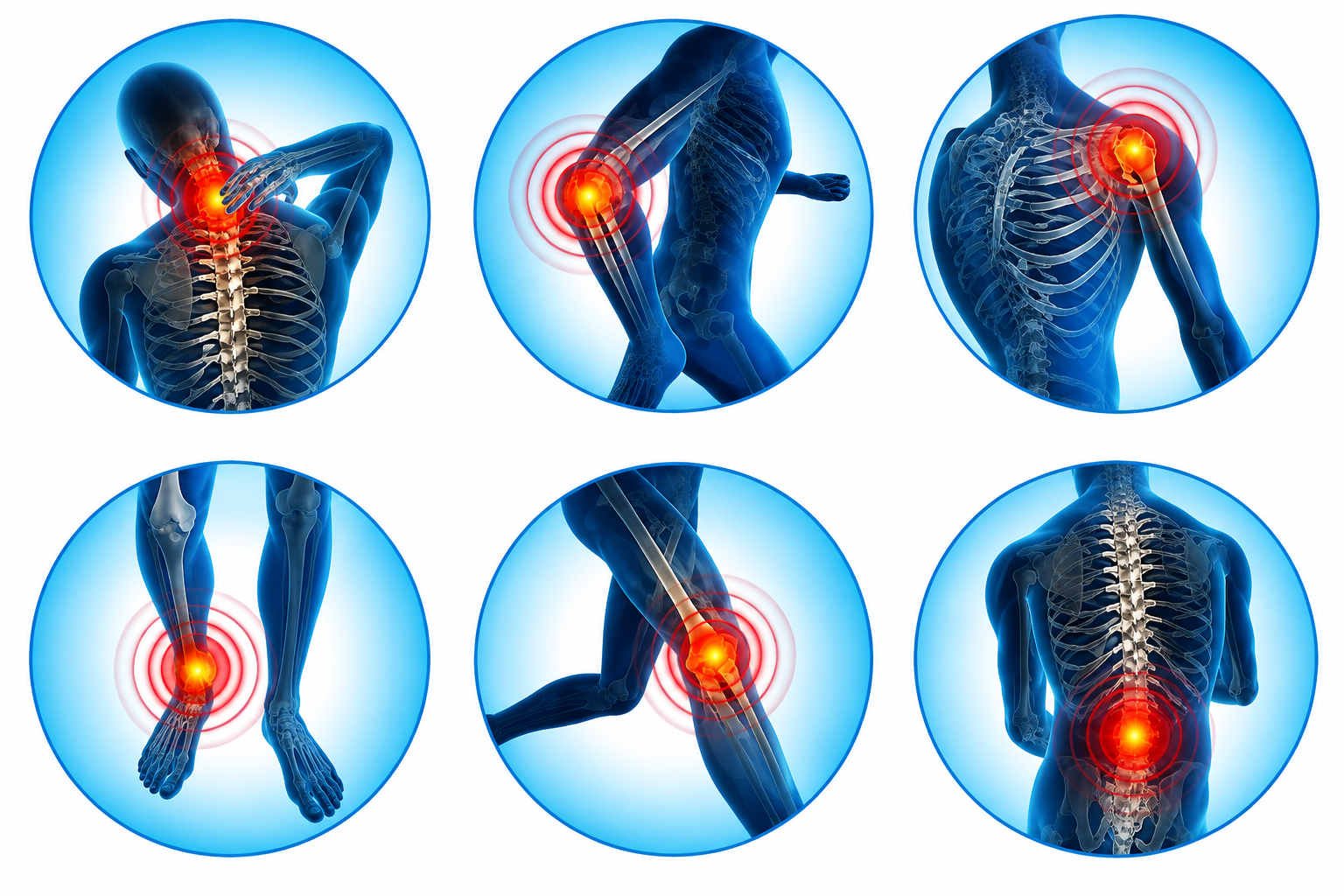
Pain can affect movement, posture, sleep, work, and everyday activities. Pain management and orthotic care focuses on identifying factors contributing to pain and providing personalized strategies to improve comfort, movement, and physical function.
Our approach combines appropriate physiotherapy techniques, therapeutic exercises, movement correction, and orthotic support where required. Orthotics are specially designed devices that may help provide support, improve alignment, distribute pressure, and assist with more efficient movement.
A detailed assessment helps understand the patient’s pain, posture, walking pattern, joint alignment, muscle strength, and functional requirements. Based on the assessment, an individualized treatment and orthotic plan can be recommended.
When Can You Benefit From Pain Management & Orthotics?
You may benefit when pain, discomfort, poor alignment, or movement difficulties begin affecting your walking, standing, work, exercise, or daily activities. Orthotic assessment may also be useful when foot or lower-limb alignment contributes to altered movement or discomfort.
A professional assessment is important before choosing an orthotic device, as the right support depends on your individual anatomy, symptoms, movement pattern, and functional requirements.
Benifits of Pain Management & Orthotics
- Helps manage pain and discomfort
- Supports improved posture and alignment
- Provides appropriate foot and joint support
- Helps improve walking and movement patterns
- May reduce excessive pressure on specific areas
- Improves stability and functional mobility

When Can You Get Treatment?
Pain management and orthotic treatment can be considered whenever pain, discomfort, poor alignment, or movement difficulties begin affecting your daily activities, walking, standing, work, or exercise. Early assessment can help identify contributing factors and determine the most appropriate treatment approach.
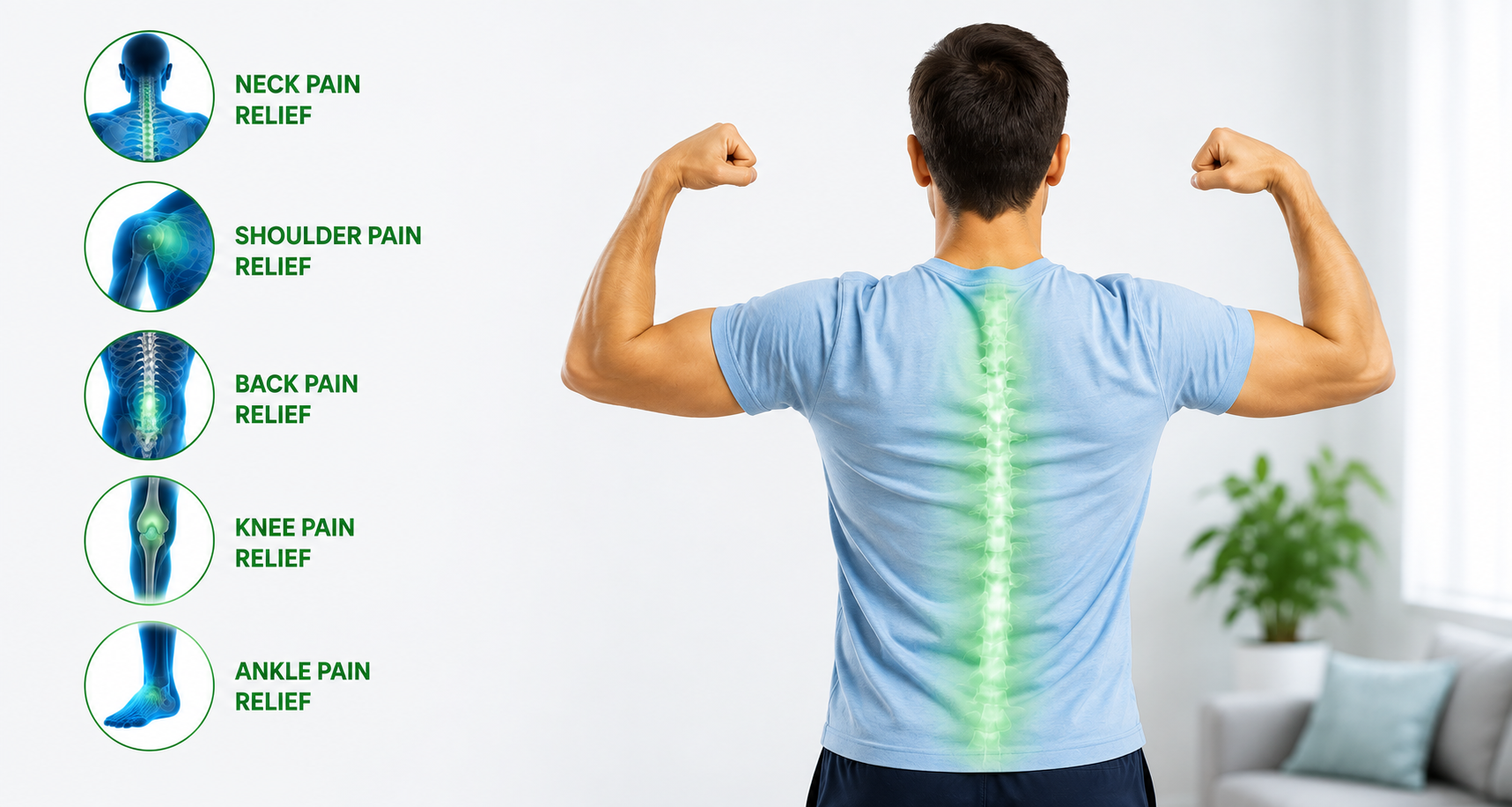
Treatment Result